What if the most important journey a person could undertake required no passport, no destination, and no map, but the willingness to question everything they had come to believe about themselves? For some, the answers lie in achievement, in the lives they build and the milestones they collect. For others, the real questions begin when those accomplishments no longer explain who they are or what they seek. It is in this unfamiliar territory, where certainty gives way to curiosity and old identities begin to loosen their grip, that the possibility of profound change emerges.
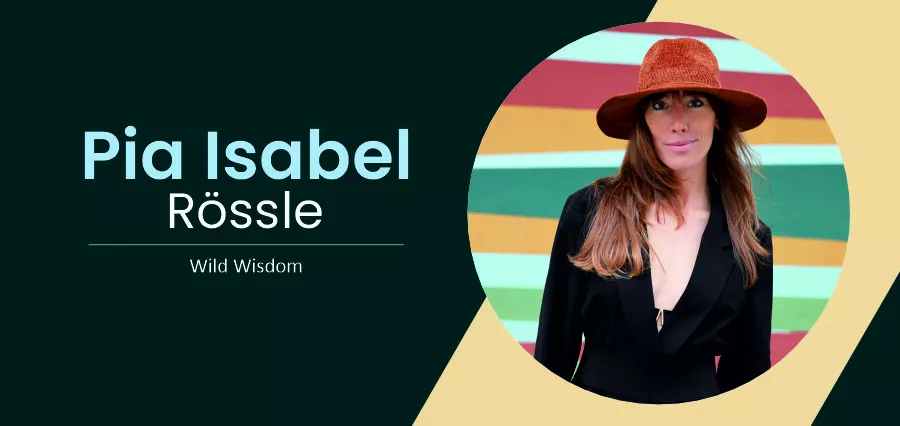
For Pia Isabel Rössle, this exploration has grown from a spiritual awakening into an entrepreneurial journey spanning retreat centres, holistic practices and evolving approaches to personal transformation. What began with Chez Zen in the French region of Gascony has since expanded into ventures in Mexico and the Netherlands, leading to her latest project, Alma Astoria, in Mallorca.
A Vision Born from an Inner Awakening
The story of Chez Zen began long before the retreat centre opened its doors in 2014. For Pia, its creation was rooted in a profound spiritual experience she encountered at the age of 22, an awakening that lasted four and a half months and brought her numerous revelations about the nature of cosmic reality.
Two years before establishing Chez Zen, Pia experienced a channeling session while meditating in a park. The experience became the catalyst for turning her spiritual understanding into a tangible vision. She developed a business plan and travelled to India to deepen her existing knowledge of the human mind and body while exploring a more holistic approach to wellbeing.
Her vision was to create a space where people could reconnect with their true essence and the universal forces they believed shaped their existence. Chez Zen became the first expression of that ambition, bringing together spirituality, self-discovery and personal transformation in the heart of Gascony.
Beyond One Retreat, a Broader Vision of Transformation
Pia’s entrepreneurial journey has continued to evolve beyond Chez Zen, which she sold during the COVID-19 pandemic. She subsequently established a retreat company in Mexico and a psychedelic retreat company in the Netherlands, expanding her work across different environments and approaches to personal development.
Her current project, Alma Astoria in Mallorca, represents the next chapter in this journey. Still under development, the retreat centre is designed to combine the benefits of individual therapeutic work with the transformative potential of group experiences.
The proposed programmes will bring together legal psychedelic experiences and complementary healing modalities, with the aim of supporting profound personal transformation within a relatively short period. An international team of specialists from different disciplines will contribute their expertise, creating an integrated approach to individual wellbeing.
For Pia, the underlying philosophy remains consistent across her ventures: meaningful transformation requires more than a single intervention. It calls for an approach that considers the individual from multiple perspectives, bringing together different forms of expertise to support a more comprehensive experience.
No Two Journeys Follow the Same Path
Personalisation lies at the centre of Pia’s approach to retreat design. Rather than placing every participant on an identical programme, the process begins with an extensive assessment to understand individual needs and determine which methods may be most appropriate, including the order in which they should be introduced.
She recognises that people approach transformation from different starting points. Some may need to begin with the body, others with the mind, while some may require deeper emotional exploration or a focus on their sense of purpose and identity.
The programmes are therefore envisioned as a combination of individual sessions and group experiences, allowing participants to engage with different methods according to their circumstances. The selection of psychedelic substances, where legally and clinically appropriate, is also intended to be guided by individual needs and professional assessment.
This emphasis on personalisation reflects Pia’s belief that transformation cannot be reduced to a universal formula. Each person’s experiences, challenges and aspirations require consideration before a suitable course of action can be determined.
Where Nature Becomes Part of the Experience
For Pia, the natural environment is not merely an attractive backdrop to a retreat. It occupies a central place in her understanding of healing and self-discovery. The landscapes, vineyards and open spaces surrounding a retreat can provide an opportunity to step away from familiar routines and reconsider one’s relationship with the self.
She views nature as a setting that can encourage a deeper sense of coherence and connection. Her perspective also incorporates the human microbiome, which scientific research recognises as having important relationships with digestion, immunity and aspects of brain function and behaviour.
Beyond these biological dimensions, Pia draws philosophical lessons from the natural world. Nature, in her view, demonstrates the value of non-resistance and surrender, reminding individuals that peace may emerge when they stop struggling against every aspect of their circumstances.
Immersion in a quieter environment can also create distance from the demands and distractions of everyday life. For Pia, this separation offers participants an opportunity to become more attentive to their internal experiences and engage more deliberately with the process of personal change.
Looking Beneath the Surface of Human Struggles
Pia’s work is informed by the belief that many personal challenges are sustained by patterns of thinking, emotional defences and deeply ingrained identities. She sees psychedelic-assisted approaches as potentially valuable because altered states of consciousness may help some individuals examine experiences and feelings that are difficult to access through conventional reflection alone.
She identifies mechanisms such as repression, projection, spiritual bypassing and excessive reliance on analytical thinking as possible barriers to deeper self-examination. From her perspective, exploring these patterns can help individuals better understand the beliefs and behaviours influencing their lives.
The people approaching her retreat ventures bring a wide range of emotional, psychological and physical concerns. Pia believes psychedelic experiences may offer benefits across several areas of human suffering, including conditions that have traditionally been difficult to address.
She also points to emerging research into psilocybin’s potential anti-inflammatory effects and its possible relationship with the gut microbiome. These areas remain subjects of scientific investigation, and their therapeutic implications require further evidence. Nevertheless, they reflect her broader interest in exploring the connections between consciousness, the body and psychological wellbeing.
When Personal Change Reaches Everyday Life
For Pia and her team, witnessing participants experience meaningful change is an important part of their work. She describes transformations that extend beyond temporary feelings of relief, influencing the choices people make and the direction they take after a retreat.
According to Pia, some participants develop greater courage to make difficult decisions, while others begin to recognise the extent to which their lives have been shaped by external expectations. Through increased self-awareness, they may become more willing to pursue their own aspirations and reconnect with what feels authentic to them.
She has observed participants reconsidering businesses, leaving relationships they regard as unhealthy and becoming more open to the possibility of finding a compatible life partner. Long-held ambitions may also begin to feel more attainable as individuals reassess the obstacles they have placed before themselves.
For Pia, these experiences reinforce the purpose behind her work: helping people move towards lives that reflect their own values and desires rather than remaining bound by expectations imposed by others.
Such outcomes, however, are individual experiences rather than guaranteed results. Lasting change depends on numerous factors, including personal circumstances, appropriate support and the integration of insights into everyday life.
The Principles That Shape Her Practice
Pia’s approach to life coaching rests on a set of principles that combine openness, philosophical inquiry and emotional flexibility. She places particular importance on freedom from moral judgement and rigid dogma, believing that people need room to examine their experiences without being confined by predetermined interpretations.
Humour and lightness also have a place in her work. She sees personal development not solely as a demanding process of confronting difficulties but as an experience that can include perspective, curiosity and a willingness to let go.
Her philosophy incorporates Hermetic principles and Human Design teachings, alongside non-attachment to outcomes and an emphasis on love. These influences inform the way she approaches personal transitions, encouraging individuals to explore their lives without becoming overly attached to a particular result.
At the heart of this philosophy is an acceptance that growth cannot always be controlled or predicted. Pia’s approach encourages individuals to remain open to what they discover while developing a more conscious relationship with themselves and their decisions.
From Wellness Trends to a Search for Greater Depth
Pia has observed significant changes in the way people approach health, self-care and personal growth over the past decade. Topics that once occupied the margins of mainstream conversation have gained broader social acceptance and have increasingly entered professional and business environments.
She sees a growing willingness to consider wellbeing holistically, recognising the relationships between the mind, body and emotional life. This greater awareness, she believes, has made it easier to engage people in conversations about self-understanding and transformation.
Pia also notices a shift in expectations surrounding those who guide others through personal development. In her view, audiences are becoming more discerning about authenticity, increasingly questioning teachers whose practices appear driven primarily by profit rather than genuine commitment.
She believes this changing outlook is accompanied by a desire for greater depth, honesty and shadow work, which involves examining the uncomfortable emotions, beliefs and behaviours people may prefer to avoid. She sees the growing interest in psychedelics as part of this wider search for experiences that encourage deeper self-exploration.
For Pia, the evolution of wellness is not simply about the arrival of new methods. It also concerns the willingness to look beyond surface-level solutions and engage with the more difficult questions that shape human experience.
The Business of Wellbeing Must Begin with Ethics
Building retreat businesses has taught Pia that commercial success should never come at the expense of ethical responsibility. She believes this principle applies across industries, particularly in businesses where clients place significant trust in the people providing a service.
For her, the consequences of careless decisions eventually become apparent. Maintaining ethical standards is therefore not an optional consideration but an essential part of building a sustainable enterprise.
Her approach extends to the people who make the business possible. Pia believes employees deserve fair compensation, genuine appreciation and a workplace where they feel respected and valued. She also prefers to work with people whose company she enjoys beyond professional obligations, an approach she says has contributed positively to her experiences as an entrepreneur.
Although she recognises that maintaining such close personal relationships with every colleague may become more difficult as an organisation grows, she believes the underlying principle should remain unchanged.
A company’s internal culture, in her view, must reflect the values it communicates to its clients. For Pia, a retreat business that promotes healing, respect and personal growth must demonstrate those same principles in the way it treats its own people.