There are few battles in human history as painful, personal, and relentless as the fight against cancer. Entire lifetimes can be divided into moments before diagnosis and moments after it. Families who once planned vacations, birthdays, futures, and ordinary tomorrows suddenly find themselves counting treatment cycles, hospital visits, and uncertain outcomes instead. Medicine has achieved extraordinary progress across centuries, yet cancer continues to challenge not only the limits of science but also the emotional endurance of humanity itself. Many treatments capable of attacking tumors often leave behind exhaustion, weakened bodies, financial strain, and emotional scars that extend far beyond hospital walls. This has created a question that continues haunting researchers across generations: can healing become more precise, more humane, and less destructive?
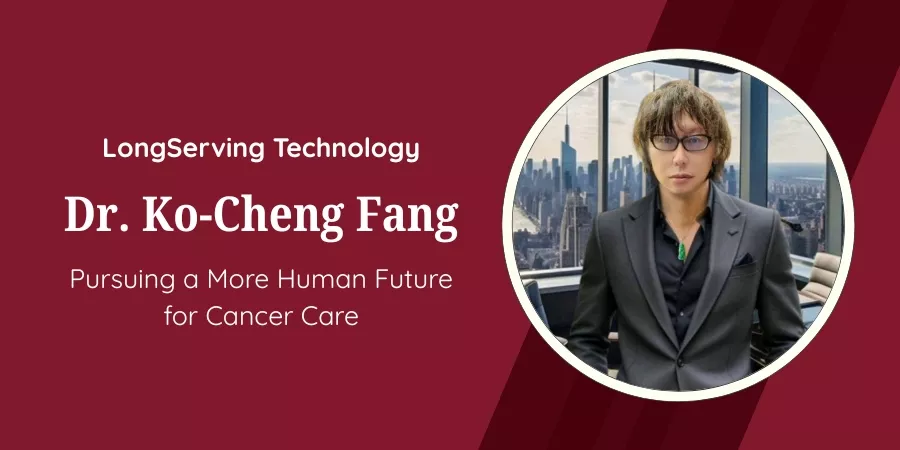
Dr. Ko-Cheng Fang has devoted years of research to pursuing that possibility. His work combines traditional Chinese medicine, Western botanical science, materials chemistry, semiconductor engineering, and nanotechnology. Through LongServing Technology, Dr. Fang is exploring how plant-derived compounds and nano formulation systems may help reshape the future of oncology treatment.
A Lifelong Search for Answers
Dr. Fang’s journey into medical innovation began not from a traditional medical background but from a deep sense of curiosity that shaped his thinking from an early age. He developed a strong desire to understand the root causes behind complex systems, including the human body and disease itself. This curiosity eventually led him toward the study of traditional Chinese medicine and ancient medical philosophy.
Through studying classic texts such as the Compendium of Materia Medica, Dr. Fang became fascinated by how traditional Chinese medicine connects natural cycles, human physiology, and pharmacology through concepts such as the Five Elements theory. Seasonal cycles like spring, summer, autumn, and winter were understood not simply as environmental changes, but as interconnected biological influences affecting the body’s internal balance. He also studied the traditional formulation principles of “Jun, Chen, Zuo, Shi” described within the Huangdi Neijing, concepts that continue influencing Chinese medical prescriptions today.
Dr. Fang believed that Traditional Chinese Medicine was not only about using herbs. What made him passionate about it was the ability to diagnose the state of internal organs and energy flow in the body based on external signs or pulses. With the wealth of knowledge gained during more than five thousand years, he considered it to be one of the greatest medical approaches invented by mankind.
On the other hand, Dr. Fang also studied the history of Western herbal medicine and its connection to essential oils and plant extraction. In all civilizations and cultures, people sought help in nature, trying to find the means to heal. Herbal medicine, plant chemistry, and the extraction of essential oils have been associated with health care for centuries.
However, after many years of study, Dr. Fang was still dissatisfied with one thing – the lack of appropriate means for the treatment of cancer. It was a kind of dissatisfaction that made him set the direction of his scientific research. Could nature offer something that could help cure the disease?
This was the impetus for Dr. Fang to begin exploring thousands of herbs from both Eastern and Western herbal medicine while integrating this study into his knowledge of materials science, chemistry, and semiconductor technology. The result was a multi-disciplinary approach that would eventually lead to his botanical cancer research.
The Search for Safer Cancer Therapies
For Dr. Fang, the decision to pursue oncology research was shaped not by theory alone, but by observing the reality faced by many late-stage cancer patients around him. He saw individuals relying on chemotherapy, radiation therapy, and targeted treatments that were often extremely expensive while producing limited long-term outcomes.
Most patients had undergone invasive surgeries that involved the removal of tumors and organs, yet the fear of recurrence continued to linger even after undergoing treatment. In Dr. Fang’s view, this problem indicated something else – humanity’s lack of sufficient knowledge about cancer.
On the other hand, the study of plant biology opened another discovery before Dr. Fang. Plants managed to survive throughout millions of years due to the presence of elaborate phytochemicals that helped them defend themselves from various dangers, including insects, bacteria, and adverse environmental conditions. These substances serve as highly advanced protective mechanisms, which are still poorly studied by science.
Dr. Fang started considering cancer as a chemical reaction. If cancer cells develop in the form of a chemical reaction, then maybe there is a way to interrupt or suppress them using naturally occurring substances?
Thus, frustration turned into determination. More than ten million people die from cancer every year, and this reality made Dr. Fang believe that the time for experiments and alternatives had come. To him, the study of oncology became not only a scientific quest, but a moral duty as well.
Searching Nature for New Possibilities
Dr. Fang understood from the beginning that research alone could not survive on passion. Developing a new cancer treatment without established formulas or existing clinical frameworks represented an enormous challenge.
Studying Eastern and Western medicine was difficult enough because those fields relied on documented histories and accumulated clinical knowledge. However, creating an entirely new therapeutic approach involving synthesized plant-based phytochemicals required venturing into largely unknown territory.
One of the central problems Dr. Fang focused on was the destructive nature of many conventional cancer treatments. Toxic drugs may eliminate cancer cells, but they often damage healthy cells at the same time, causing severe side effects and long-term physical consequences.
For Dr. Fang, the true challenge was developing a method capable of targeting cancer cells without harming healthy tissue. The compounds he selected were derived entirely from natural herbal extracts meeting European Union certified organic standards. Many of these herbs had been safely used for centuries and were often viewed primarily as wellness substances rather than aggressive medical compounds.
This raised an important scientific question: how could naturally derived, non toxic substances potentially destroy cancer cells?
To answer this question, Dr. Fang assembled a multidisciplinary research team including doctors trained in both Eastern and Western medicine as well as PhD level medical researchers. Together, they conducted laboratory studies examining the effects of these botanical compounds on cancer cells.
The published results drew significant attention. According to the laboratory findings, the treatment achieved nearly complete elimination of certain cancer cell lines. These results generated growing international interest surrounding Dr. Fang’s botanical oncology research.
Photonic AI Robots and the Future of Healthcare
Beyond his botanical oncology research, Dr. Fang continues advancing innovations in AI robot, nanotechnology, and photonic systems that reflect the broader scientific foundation behind his medical research approach. On April 23, 2026, Dr. Fang, CEO of LongServing Technology, officially unveiled the company’s photonic chip system architecture through the publication of three major technical diagrams on the company’s website. These included a three-dimensional architectural schematic of the photonic chip, a detailed photonic pathway design, and a structural demonstration of a full adder photonic chip. All three systems were personally designed by Dr. Fang and represented the first public disclosure of the company’s integrated photonic pathway architecture and chip framework.
The redesign of the photonic chip has a forty five degree optical pathway configuration combined with a three-layer stacked architecture. The bottom layer functions as photonic memory, the middle layer contains photonic logic gates, and the upper layer is dedicated to photonic pathways. Each layer is fabricated using separate photomasks, significantly reducing the structural complexity commonly associated with traditional electronic chips that often require dozens of layers.
By combining Dr. Fang’s photonic CPU with photonic memory, the dual computational transmission rate is expected to increase computing power by more than ten thousand times. This means that the platform for AI to collaborate within the medical system may soon be realized. Dr. Fang stated that after developing the photonic chip, he will definitely focus on building a photonic AI robot, allowing the robot to enter the medical system and alleviate the burden on medical staff through collaboration.
Understanding the Scientific Principles
Dr. Fang explains that humanity has known about cancer for thousands of years. Ancient Egyptian skeletal remains dating back more than four thousand years show evidence of cancer, while some of the earliest written records describe breast tumors in remarkable detail.
However, modern scientific understanding of cancer only began developing significantly during the eighteenth and nineteenth centuries through advances in anatomy and microscopy.
According to Dr. Fang, cancer cells exist within a highly specific tumor microenvironment characterized by low oxygen conditions, acidity, inflammation, abnormal metabolism, and dysfunctional blood vessel structures. These conditions help cancer cells evade immune defenses while promoting growth and metastasis.
One important principle behind Dr. Fang’s research involves targeting these environmental conditions surrounding cancer cells. By reducing inflammation, addressing acidity, and influencing metabolic dysfunction, certain plant based compounds may potentially interfere with cancer cell activity.
Dr. Fang emphasizes that the human body itself possesses remarkable abilities to metabolize and eliminate non toxic substances through organs such as the liver and kidneys. Cancer cells, however, aggressively compete with immune cells for nutrients such as glucose and amino acids, often weakening the body’s immune response.
Some plant derived compounds, according to Dr. Fang, may have the ability to suppress cancer cell behavior while leaving healthy cells unaffected.
To explain this concept more simply, he uses the example of chocolate. While harmless to humans, compounds such as theobromine and caffeine found in chocolate can become highly toxic to dogs, affecting their nervous and cardiovascular systems. In the same way, Dr. Fang believes certain naturally derived compounds may interact differently with cancer cells than with normal human tissue.
Pushing Botanical Oncology Beyond the Laboratory
For Dr. Fang and his research team, achieving the expected laboratory outcomes represented both an important milestone and the beginning of a far larger challenge.
Once the anti-cancer plant extracts demonstrated promising results, attention shifted toward solving another major scientific problem: how to effectively deliver sufficient concentrations of these compounds directly into cancer cells.
To accomplish this, Dr. Fang worked on converting the plant extracts from oil-based substances into water-soluble forms through specialized alcohol-based processing methods. This transformation would improve the compounds’ compatibility with biological delivery systems.
The next stage involved nanonization, a process made possible partly through his extensive background in advanced materials and semiconductor manufacturing. Dr. Fang had previously completed the development of a photonic quantum material that emit 2-nanometer X-ray short waves (X-photon) for photonic chip fabrication, advancing nanoscale photonic pathways and chip design integration. Dr. Fang applied similar nanoscale principles to the medical field. By utilizing technologies akin to nanodialysis membranes, where standard pore sizes range from 1 to 10 nanometers, the large plant molecules were successfully reduced into much smaller, highly penetrable particles. By reducing larger molecules into nanoscale particles, Dr. Fang aimed to improve cellular delivery efficiency through micro-injection techniques.
Dr. Fang believes this highly targeted micro-injection approach may offer advantages over major surgical procedures because the human body already demonstrates tolerance toward minimally invasive needle-based methods such as acupuncture. The extremely fine needles involved separate tissue gently rather than causing significant damage to blood vessels.
Despite these advancements, Dr. Fang openly acknowledges the enormous challenges still ahead. Large-scale animal studies, human clinical trials, regulatory approval processes, and pharmaceutical development require extensive financial investment, time, and global collaboration. Drug development alone can take more than a decade and cost billions of dollars.
Nevertheless, Dr. Fang and his team remain committed to continuing the research process despite these obstacles.
The Importance of Protecting Healthy Cells
One of the findings Dr. Fang considers most significant involves the apparent lack of observable harm to healthy cells during laboratory testing.
Compared with conventional chemotherapy or highly aggressive targeted treatments, Dr. Fang believes the future of safer oncology treatments depends on whether therapies can selectively inhibit cancer cells without damaging normal tissue.
For him, this principle sits at the center of his entire research philosophy. Cancer patients are already suffering from the destructive effects of the disease itself. Subjecting the body to additional toxicity can sometimes create even greater physical harm and suffering.
Dr. Fang, therefore, views the development of non-toxic, plant-based anti-cancer therapies as more than a scientific challenge alone. He sees it as an effort to create treatments capable of preserving both survival and quality of life.
His work continues exploring whether nature, chemistry, and modern technology together can open new possibilities in oncology research while reducing the physical burden traditionally associated with cancer treatment.
The Science Behind Targeted Botanical Delivery
Dr. Fang’s innovation combines organic botanical extracts with nano formulation technology in order to improve both drug delivery efficiency and therapeutic effectiveness. According to Dr. Fang, one of the key technical challenges lies in ensuring that plant-derived compounds can successfully penetrate and reach cancer cells at a microscopic level.
He explains that acupuncture needles themselves are extremely fine, measuring only around 0.3 millimeters in diameter. To make localized delivery possible, plant extracts must first be reduced to nanoscale particles capable of moving effectively within biological systems.
Dr. Fang’s extensive background in semiconductor development and nanomaterials research became highly valuable in this process. He has spent many years studying advanced nanotechnology applications, including the development of photonic quantum materials capable of emitting ultrashort X-ray wavelengths measuring approximately two nanometers. This breakthrough represented a major advancement within the semiconductor industry and further strengthened his understanding of nanoscale engineering.
Drawing from these experiences, Dr. Fang applied semiconductor-related techniques such as nanodialysis to his medical research. He explains that nanodialysis technology already exists within healthcare systems through dialysis membranes whose pore sizes range between one and ten nanometers, depending on the type of membrane used. By utilizing similar nanoscale approaches, his team aims to improve the ability of botanical compounds to enter tumor cells more efficiently.
For Dr. Fang, advancing this technology represents an important step toward achieving a larger objective: developing safer and more effective anti-cancer treatments capable of directly targeting tumors while minimizing unnecessary harm to the body.
Reducing Harm Through Localized Delivery
One of the major concerns Dr. Fang continues addressing is the severe systemic side effects associated with conventional chemotherapy and radiation treatment. He observes that many cancer patients not only suffer physically from the disease itself, but also experience emotional and psychological distress caused by aggressive treatment side effects such as hair loss, fatigue, and long-term damage to healthy tissue.
According to Dr. Fang, these fears sometimes become so overwhelming that patients refuse or abandon treatment entirely. This creates additional emotional and financial burdens for families already struggling under difficult circumstances.
Dr. Fang believes a major weakness within many current cancer treatments lies in their inability to precisely target cancer cells without exposing the entire body to toxic compounds. This belief led his team to develop a localized tumor delivery strategy centered around probe-based injection methods.
Instead of circulating treatment compounds throughout the entire body, localized delivery allows botanical extracts to be administered directly into targeted tumor regions. Dr. Fang explains that this method may improve the concentration of active compounds reaching cancer cells while reducing systemic exposure and minimizing damage to healthy tissue elsewhere in the body.
He also emphasizes that accelerating such innovations requires both financial investment and regulatory support. Without more efficient pathways for development and approval, pharmaceutical research often becomes prohibitively expensive, driving up treatment costs while delaying access for patients in urgent need.
From Dr. Fang’s perspective, reducing treatment complexity and lowering costs should become central goals within future oncology development rather than relying solely on expensive long-term therapies after disease progression.
Prioritizing Safety and Scientific Integrity
As Dr. Fang’s research progresses toward animal studies and future clinical evaluations, scientific integrity and patient safety remain central priorities.
He emphasizes that whether studies involve animals or humans, the primary objective must always be rigorous verification of both therapeutic effectiveness and biological safety. Demonstrating that treatment compounds do not produce harmful side effects requires extensive testing, time, and carefully controlled research environments.
Dr. Fang openly acknowledges the enormous financial challenges associated with pharmaceutical development. Based on industry experience, he notes that bringing a new drug to market can require tens of billions of dollars during early development stages alone. By the time human clinical trials reach advanced phases, additional investments often exceed hundreds of millions of dollars.
These costs inevitably contribute to rising drug prices, placing tremendous financial pressure on patients and families already suffering physically and emotionally from serious illness. Dr. Fang remains highly aware of this burden and believes reducing treatment costs should become an important long-term objective within oncology innovation.
To help address these challenges, Dr. Fang hopes to secure philanthropic support capable of accelerating research while reducing future financial barriers for patients. He explains that his company has already assembled a dedicated testing team composed of board-certified oncology specialists along with physicians trained in both Western and Traditional Chinese Medicine.
This multidisciplinary team also includes experienced testing specialists and medical advisors actively involved in frontline cancer treatment. According to Dr. Fang, many members of the research team view the project not simply as scientific work, but as an opportunity to contribute toward relieving one of humanity’s most devastating diseases.
For Dr. Fang, cancer research carries a deeply emotional significance because of the countless families affected by loss, suffering, and uncertainty. He believes the current stage of development may represent a meaningful opportunity to create real progress in oncology treatment and hopes broader public support will help move the research closer toward completion.
Overcoming Regulatory and Financial Barriers
Despite promising research findings, Dr. Fang identifies regulatory systems and financial limitations as some of the greatest obstacles preventing laboratory breakthroughs from reaching clinical application.
He points to what he sees as inconsistencies within regulatory frameworks governing herbal medicine. According to Dr. Fang, certain traditional Chinese medicines may receive approval more easily when supported by historical documentation and scientifically compliant manufacturing processes, often without requiring extensive human clinical trials.
In contrast, Western herbal practices involving essential oil-based therapies generally receive far less regulatory recognition and are often prohibited from making therapeutic claims. Dr. Fang believes this imbalance has created significant barriers affecting botanical research development.
During earlier stages of product development, Dr. Fang’s company reportedly encountered repeated regulatory difficulties, including restrictions surrounding the publication of privately conducted research data. Experimental procedures had to comply strictly with government regulations, and studies frequently required replication within large medical institutions before results could be publicly presented.
These requirements created delays, inefficiencies, and growing frustration for the research team. Dr. Fang recalls similar challenges during the COVID nineteen pandemic when his company developed an essential oil extract with potential antiviral applications. According to Dr. Fang, regulatory authorities forced the product’s withdrawal and issued warnings involving potential fines despite the company operating through licensed professionals.
He describes these experiences as emotionally difficult for both himself and the broader research team. Following these setbacks, the company redirected much of its focus toward anti-cancer drug development, though similar challenges involving regulatory approval, clinical data collection, and institutional collaboration remain significant obstacles today.
In addition to regulatory complexity, Dr. Fang emphasizes that biotechnology companies face enormous financial pressures throughout every stage of pharmaceutical development. Without sustained funding and institutional support, many promising research projects struggle to progress beyond laboratory testing.
A Global Vision for Cancer Innovation
Looking ahead, Dr. Fang hopes future regulatory frameworks will become more flexible toward herbal traditions and botanical medicine research. He believes herbal medical systems that have existed for centuries should be evaluated more fairly and consistently across regions.
At the same time, Dr. Fang hopes international readers, medical professionals, private foundations, biotechnology organizations, and potential investors will take an interest in his team’s work. He expresses openness toward equity partnerships and collaborative opportunities designed to accelerate the pace of development.
According to Dr. Fang, every improvement in research speed matters because delays directly affect patients waiting for treatment options. He believes no patient should lose their life simply because effective therapies remain trapped within lengthy development processes.
Global collaboration therefore represents a major component of Dr. Fang’s long-term vision. His team is currently assembling partnerships capable of advancing probe-based delivery technology designed to deliver and retain plant derived compounds directly within tumor cells.
Dr. Fang welcomes biotechnology companies and research institutions interested in contributing expertise, technology, or financial support toward this effort. He believes defeating cancer requires collective collaboration rather than isolated research efforts.
Beyond Survival in Cancer Treatment
If LongServing Technology successfully achieves pharmaceutical development and future market approval, Dr. Fang hopes the innovation will fundamentally transform the future of oncology treatment.
Currently, many cancer patients undergoing chemotherapy and radiation therapy require combinations of multiple medications over long periods of time. These treatments often create enormous physical exhaustion, financial strain, and emotional stress for both patients and their families.
Even after enduring aggressive therapies, recovery outcomes are not always complete, and damage to healthy cells may continue weakening the body over time. Dr. Fang believes this ongoing burden highlights the urgent need for safer and more patient centered alternatives.
Through LongServing Technology’s anti-cancer research, Dr. Fang hopes future treatment approaches will improve effectiveness while simultaneously reducing hospitalization periods, lowering medical expenses, and minimizing the long-term burden placed on caregivers and families.
He envisions oncology care evolving beyond simply controlling cancer toward preserving quality of life, physical function, and emotional well-being throughout treatment. This includes preventing complications associated with prolonged therapies such as muscle loss, reduced mobility, and declining cardiopulmonary health.
For Dr. Fang, the future of cancer treatment should not focus solely on extending survival time. It should also ensure that patients maintain dignity, independence, physical strength, and emotional stability throughout their medical journey while reducing the financial hardship carried by their families.
Read Also: The Most Influential Leader to Watch in 2026